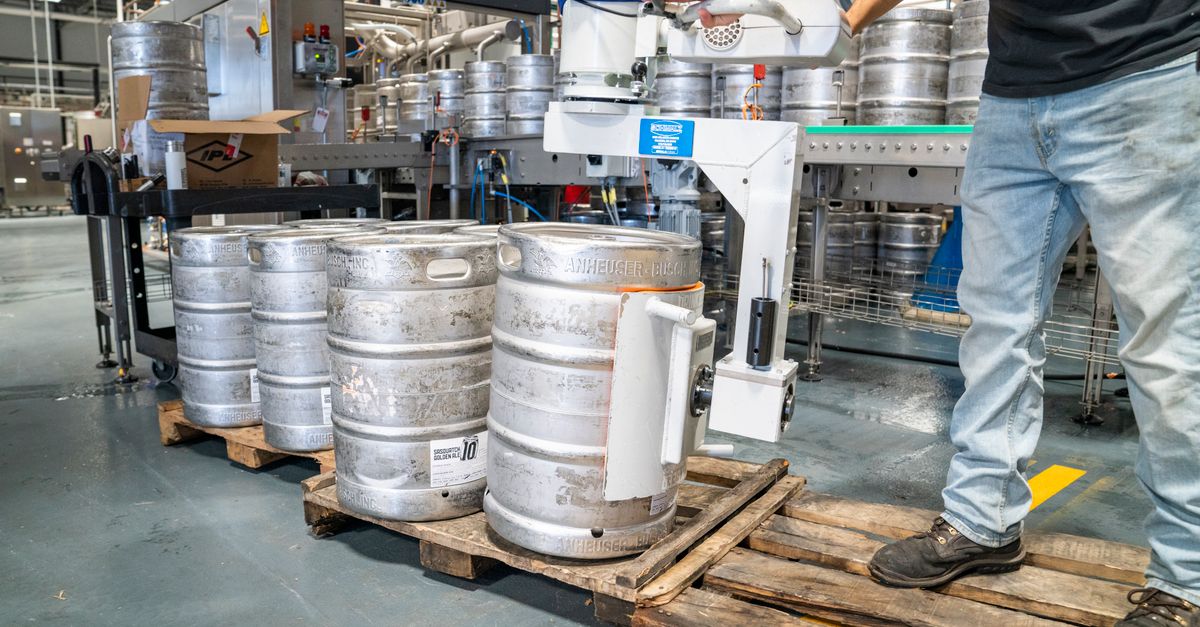
Best Beer Making Kegs for UK Homebrewers in 2026: Corny Kegs, Pressure Barrels and PET Kegs Compared
Moving from bottles to a beer making keg is the single biggest quality upgrade most homebrewers ever make.
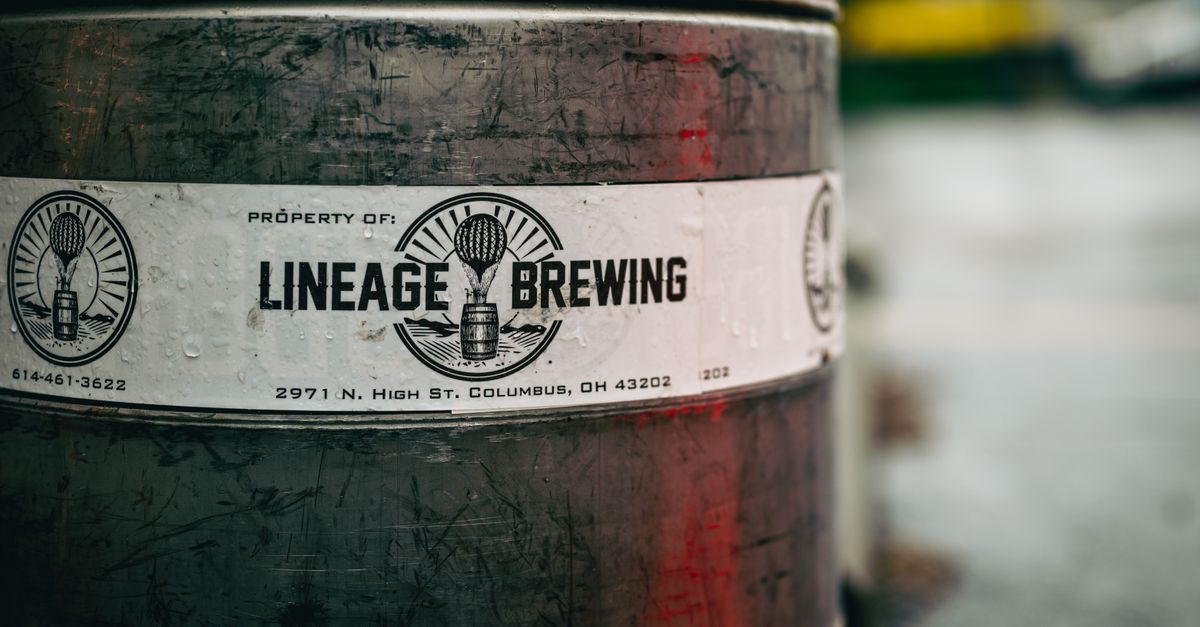
Best Beer Making Kegs for UK Homebrewers in 2026: Corny Kegs, Pressure Barrels and PET Kegs Compared
Moving from bottles to a beer making keg is the single biggest quality upgrade most homebrewers ever make. Instead of washing, priming and capping forty-odd bottles for every 23-litre batch, you rack once, carbonate the whole volume in one sealed vessel, and pour a properly conditioned pint in seconds. Kegging also removes the cold-side oxygen that quietly stales bottle-conditioned beer, which is why hoppy and hazy styles in particular taste noticeably fresher from a keg than from a bottle filled with the same beer.
Before you spend anything, deal with the gotcha that catches out almost every new UK kegger. Most UK kits and all-grain setups produce 23 litres — that is 5 imperial gallons. A standard corny keg holds 19 litres, which is 5 US gallons. The two “five gallons” are not the same volume, and the shortfall is real: a 19 L corny is 4 litres short of a 23 L batch. That surplus works out at roughly eight 500 ml bottles — not the “three or four” that many guides suggest — so decide what happens to those four litres before your first kegging day, not during it.
It also helps to know which of three jobs you are actually shopping for. Some brewers want a serving keg (a vessel that holds finished, carbonated beer). Some want a pressure fermenter (a vessel that ferments under pressure and can push beer out without oxygen contact). And some want a complete kegging kit — keg plus disconnects, line, tap and a gas source in one purchase. The products below are grouped by that split, so you can skip straight to the one that matches your intent.
This is a desk-researched buying guide rather than a lab test. Recommendations are built from manufacturer specification sheets, aggregate feedback from UK homebrew communities including Reddit’s r/Homebrewing, and expert reviews published by outlets such as Brew Your Own. Where owner reviews repeatedly raise the same complaint, that pattern is reflected below. Prices move constantly between retailers, so every figure here is an approximation to be checked before you buy.
Quick Picks
| Keg | Best for | Typical UK price |
|---|---|---|
| KegLand 19 L Ball Lock Corny Keg | Best overall for most homebrewers | Around £60–£80 |
| King Keg Top Tap Pressure Barrel | Best pressure barrel for real ale | Typically the most expensive barrel on UK shelves |
| Youngs or Brewferm pressure barrel | Best budget route into 23 L kegging | Typically the least expensive barrel option |
| Oxebar PET kegs (5 L / 10 L / 20 L) | Best lightweight, portable option | Priced by size — varies by retailer |
| FermZilla All Rounder | Best pressure fermenter | Priced as a fermenter, not a serving keg |
The short answer: a 19 L ball lock corny keg is the default recommendation for most UK homebrewers in 2026. A barrel from Youngs or Brewferm is the sensible first step if money is tight, King Keg is the barrel to buy if you want the most reliable one, and PET kegs are the best way to split a batch or take homebrew to a barbecue.
What a Beer Making Keg Actually Does
Strip away the branding and a beer making keg does three jobs. It holds finished beer in a sealed, pressure-rated vessel. It carbonates that beer, either naturally (using residual yeast and priming sugar) or forcefully (by injecting CO₂ under pressure). And it dispenses the beer under pressure through a tap. Every other detail — material, fittings, rated pressure, valve type — exists only to determine how well it performs those three jobs.
The category divides into four broad types:
- Corny kegs — stainless steel kegs of roughly 9.5 L to 19 L, originally built for the soft drinks industry and now the homebrew standard.
- Pressure barrels — 23 L plastic barrels with a screw-on cap and tap, a UK staple for decades and sized to take a full British batch in one vessel.
- Mini and PET kegs — typically 2 L to 20 L in stainless or PET, often with integrated or push-fit tap systems.
- Hybrid pressure fermenters — vessels such as the FermZilla All Rounder that ferment and dispense from the same container.
How to Choose a Beer Making Keg in the UK
Capacity: match the keg to your batch size
Your fermenter decides this, not your wish list. A 23 L batch does not fit a 19 L corny in one go. You have four realistic workarounds:
- Brew short — design batches at 19–21 L so the whole volume fits one keg.
- Bottle the surplus — the leftover ~4 litres fills roughly eight 500 ml bottles, which many brewers keep deliberately as a carbonation and flavour check against the kegged portion.
- Rack the surplus into a 5 L mini keg — a neat way to have one small portion ready to drink while the main keg conditions.
- Use a counter-pressure bottle filler — fills bottles from the keg under CO₂, so the surplus is packaged without picking up oxygen.
If you brew smaller volumes, a 9.5 L or 12 L corny keg is a better fit than a 19 L. A 23 L pressure barrel sidesteps the problem entirely by taking the full batch in a single vessel.
Fittings: ball lock, pin lock and Sankey
Ball lock is the UK default and the one to buy. The fittings descend from the Pepsi side of the soft drinks industry, and because ball lock dominates the UK supply chain, disconnects are cheap, widely stocked by The Malt Miller, BrewKegTap and Angel Homebrew, and interchangeable between brands. Pin lock fittings come from the Coca-Cola lineage: functionally equivalent, but far less well supported in the UK, so parts are harder to source and less likely to be in stock. Sankey couplers belong to commercial kegs and are not what you want for a home setup.
Materials and pressure rating
Stainless steel (look for 304 grade) resists scratching and survives decades of cleaning. PET is lighter and lets you see the beer level through the wall, but it has a lower pressure ceiling. Plastic pressure barrels are the cheapest entry point but are built for low-carbonation, cask-style beer only. Whichever you choose, the manufacturer’s stated pressure rating is the number that matters, because it sets the ceiling on how aggressively you can carbonate and how fast you can force-carbonate.
Gas and running costs
A keg is only half the system. You also need either priming sugar or a CO₂ supply, plus disconnects, beer line and a tap. Budget for the gas before you buy the keg — the section on running costs below sets out the realistic options and their approximate prices.
The Kegs: Full Reviews
KegLand 19 L Ball Lock Corny Keg — best overall
Best for: the majority of UK homebrewers who want one keg that does everything and lasts.
This is the keg most experienced UK brewers end up recommending, and the reasons are structural rather than glamorous. The body is 304 stainless steel, and KegLand publishes a manufacturer-stated working pressure of approximately 130 psi / 9 bar. That headroom matters: you will typically serve at around 10 psi, so the keg is operating far below its limit, which means you can force-carbonate at higher pressure to speed things up without the vessel distorting.
Everything that wears is replaceable, and KegLand lists the spares individually: O-rings, poppets and the dip tube can all be bought separately, so a leaking post is a small parts order rather than a new keg. That is precisely why the corny format has outlived its soft drinks origins.
The ball lock fittings are the other practical advantage. Because ball lock dominates the UK supply chain, disconnects are widely stocked and interchangeable between brands. The kegs are also duotight and John Guest push-fit compatible, which means you can plumb your beer and gas lines without hose clamps — fewer clamped joints means fewer places for a slow leak to develop.
Caveat: 19 L will not take a 23 L batch in one go, so budget for the four-litre surplus, and remember that O-rings, poppets and dip tubes are consumables you will buy again.
Verdict: the default answer to “which keg should I buy?” — full carbonation pressure, a replaceable parts ecosystem and fittings that every UK retailer stocks. Typically around £60–£80 from The Malt Miller or BrewKegTap; check current stock, as availability on corny kegs moves in waves.
King Keg Top Tap Pressure Barrel — best pressure barrel
Best for: real-ale and cask-style bitters, served at low carbonation from a shelf or garage.
King Keg is not the budget option and should not be presented as one — it is typically the most expensive barrel on UK shelves, and Youngs and Brewferm barrels undercut it substantially. What you pay for is the most reliable barrel in the category: an S30 valve fitting as standard, so you can top up pressure with a standard S30 bulb without adapters, and a relief valve typically rated around 15 psi, though this varies by model, so verify the figure against the King Keg specification sheet for the specific barrel you are buying.
That 15 psi ceiling is not a limitation to work around — it is the design brief. A pressure barrel’s natural home is real ale at roughly 1.5–2.0 volumes of CO₂, which is exactly the carbonation level of a cask-style bitter. Serve it at cellar-ish temperature, dispense slowly, and the barrel does a genuinely good impression of a pub hand pull.
Caveat: lagers and IPAs are not what a barrel does well. Their target carbonation sits well above what a 15 psi relief valve will hold, so a barrel will pour them flat and lifeless.
Verdict: buy it if you brew bitters and drink them young; skip it if your brew list is mostly pilsner and hazy pale ale. Typically stocked by UK homebrew retailers including The Malt Miller, BrewKegTap and Hop and Stuff, and increasingly by general homebrew shops.
Youngs or Brewferm Pressure Barrel — best budget barrel
Best for: the cheapest legitimate route into kegging a full 23 L batch.
If you want to stop bottling tomorrow and you brew traditional British styles, a barrel from Youngs or Brewferm is the least expensive way in. Both undercut King Keg substantially, and both take a full 23 L batch in a single vessel — no four-litre surplus to deal with, no second container to buy. They use the same S30 valve ecosystem, so bulbs and caps are shared across the category.
Caveat: the savings come from the barrel itself, not from the gas. You are still working within the same low-pressure, real-ale-only envelope as any other barrel, and cheaper barrels are where owner complaints about dripping taps and tired seals tend to concentrate.
Verdict: the pragmatic first barrel — buy one, learn the routine, and upgrade to a corny once you want to brew lagers or serve under proper carbonation. Typically the least expensive barrel option on UK shelves; check stock at the retailers above.
Oxebar PET Kegs (5 L, 10 L, 20 L) — best lightweight and portable option
Best for: splitting batches, small-volume brewing, and beer that travels.
Oxebar PET kegs come in 5 L, 10 L and 20 L sizes. Three things make them useful alongside a stainless keg rather than instead of one. They are lighter than stainless, which matters when a full 19 L steel keg weighs the better part of 25 kg. They are translucent, so you can check beer level and clarity without opening anything — genuinely handy when you are transferring and want to see where the dip tube is drawing from. And they come in a size for every job: a 5 L for a surplus portion, a 20 L for a full-ish batch.
Caveat: PET kegs are not rated for full corny pressures, so treat them as low-to-moderate pressure vessels rather than stainless equivalents. The exact rating is stated on the Oxebar product page for each size — check it before you decide how hard to carbonate.
Verdict: the best-value way to add flexibility to a kegging setup, and the natural home for the four litres left over from a 23 L brew. Worth knowing: 5 L mini kegs such as the Dark Farm model occupy the same niche — fridge-friendly and portable, and ideal for sharing and testing recipes before you commit a full batch.
FermZilla All Rounder — best pressure fermenter
Best for: brewers chasing oxygen-free transfers and natural carbonation from the fermentation itself.
The All Rounder is not a serving keg and should not be bought as one. It is a pressure fermenter and server hybrid: KegLand publishes a manufacturer-stated pressure rating of approximately 35 psi / 2.4 bar (verify against the KegLand specification sheet for your version), which is enough to ferment under pressure, perform a closed transfer straight into a purged serving keg, and use a spunding valve to capture the CO₂ the yeast produces and carbonate with it.
That combination is the biggest quality argument in this entire guide for anyone brewing hoppy beer. Fermenting and transferring under pressure means the beer never meets oxygen on the cold side, which is where pale ales and hazies lose their aroma.
Caveat: because it is a fermenter first, it does not replace a serving keg — you still need somewhere to dispense from, and the 35 psi ceiling is a fraction of what a 19 L corny will take.
Verdict: the right purchase for a brewer who already has a serving keg and wants to close the oxygen gap; the wrong purchase for someone who just wants to stop bottling.
Gas: The Running Cost Nobody Budgets For
This is where kegging gets more expensive than it first appears, and where the choice of keg interacts with the choice of gas.
Priming sugar alone will carbonate your beer to roughly 1.5–2.0 volumes of CO₂ — the natural range for a cask-style bitter. But pressure declines with every pour as the headspace grows and the gas comes out of solution, and you have no way to top it back up. For a bitter drunk within a few weeks, that is fine. For a 19 L keg you pour from over a month, it gradually becomes flat.
The alternatives, in ascending order of capability:
- S30 cylinders — small, holding roughly 16 g of CO₂, widely sold at Wilko and homebrew shops for around £3–£5 per bulb. The cheapest top-up route, and the one that pairs naturally with a pressure barrel’s S30 fitting.
- Injector bulbs — CO₂ 8 g cartridges, used with an injector cap. Half the capacity of an S30 bulb, so expect to use them more often.
- A full CO₂ cylinder — commonly 2 kg and 6 kg sizes, supplied on a deposit or rental model through Hobby Beverage Equipment, iGas, or your local homebrew supplier. A refill on a 2 kg cylinder typically costs around £15–£25, which works out far cheaper per litre of beer than bulbs if you keg regularly.
One flag worth repeating: Sodastream adapters exist, and they will physically connect, but Sodastream cylinders are not food-grade CO₂ certified for serving beer. Use them for pushing cleaning solution, not for carbonating beer you intend to drink.
CO₂ Safety: Ventilation Is Not Optional
CO₂ is heavier than air, which is what makes it dangerous in exactly the places homebrewers keep it. It sinks and pools at floor level — in keezers, chest freezers, and unventilated garages. In a sealed space, a slow leak can push oxygen out of the breathing zone at low level without any smell to warn you.
Both the HSE’s COSHH guidance on asphyxiant gases and BOC’s publicly available CO₂ safety data sheet are clear on the practical precautions: never store cylinders in sealed, unventilated spaces, and leak-check every connection with soapy water — bubbles mean a leak, and a leak in a closed garage is a genuine hazard rather than a minor annoyance. If you keep a keg setup in a chest freezer or keezer, leave permanent ventilation and do not rely on the lid being opened regularly.
Carbonation and Serving: Matching Style to Volumes
Carbonation is measured in volumes of CO₂ — the volume of gas dissolved per volume of beer. Style sets the target:
| Style | Target carbonation |
|---|---|
| English bitter | ~1.5–2.0 vol CO₂ |
| Pale ale | ~2.2–2.5 vol CO₂ |
| Lager / pilsner | ~2.5–2.8 vol CO₂ |
Compare those figures with a pressure barrel’s relief valve at roughly 15 psi and the reason barrels suit bitters but not lagers becomes obvious: the barrel cannot hold the pressure that a lager’s 2.5–2.8 volumes require.
Serving pressure is not a single setting either — it depends on the beer temperature and on your beer line length and internal diameter, because the line provides the resistance that stops the beer foaming as it leaves the tap. The standard starting rule is 3/16-inch internal diameter beer line, around 6–8 ft long (roughly two metres), balancing about 10 psi at 4 °C. Shorten the line or use a wider bore and the beer will pour fast and foamy; lengthen it and the pour slows to a trickle.
Closed Transfer and Oxygen: The Real Quality Argument
The strongest case for kegging over bottling is not convenience — it is oxygen elimination on the cold side. Once fermentation ends, oxygen is the enemy, and bottling introduces it at every stage: in the bottling bucket, in the headspace, in the cap.
The kegging equivalent has two parts. Purge the keg with CO₂ before transfer, so the beer falls into an atmosphere of gas rather than air. And if you are fermenting under pressure, a spunding valve captures the CO₂ the fermentation produces naturally and lets you carbonate with it instead of venting it away. For hoppy and hazy styles especially, where aroma compounds oxidise quickly into cardboard notes, this is the difference between a beer that tastes as intended for weeks and one that fades within days.
Maintenance: What Keeps a Keg Pouring Well
A keg is a consumable-parts system, and treating it that way prevents most problems.
- Keg lube — apply Molykote 111 or a food-grade silicone grease to every O-ring. Dry O-rings grip and tear; lubricated ones seal properly and last longer.
- O-ring replacement — replace them annually, or immediately if you see beer leaking at the posts. Leaks at the posts are almost always an O-ring, not a fitting failure.
- Spares — poppets and dip tubes are available separately from KegLand and The Malt Miller, so a worn poppet does not mean a new keg.
- Line cleaning — clean your beer lines with sodium percarbonate or a dedicated line cleaner such as Chemipro OXI every 2–3 fills, a schedule broadly agreed on by r/Homebrewing. Beer line is where off-flavours hide, and a line that has sat full of beer for months will taint the next keg.
Where to Buy Beer Making Kegs in the UK
The core UK retailers for kegs, disconnects, spares and gas accessories are The Malt Miller, BrewKegTap, Angel Homebrew, Hop and Stuff, and KegLand EU, which ships to the UK. For S30 bulbs, Wilko and local homebrew shops are the usual stockists, and full CO₂ cylinders are typically supplied on a deposit or rental basis through Hobby Beverage Equipment, iGas, or a local homebrew supplier. Stock on individual keg models moves in and out, so confirm availability before planning a brew day around a delivery.
Frequently Asked Questions
Will a 19 L corny keg take a full 23 L homebrew batch? No — it is around 4 litres short, because 23 L is 5 imperial gallons while a 19 L corny is 5 US gallons. That surplus fills roughly eight 500 ml bottles. You can brew short at 19–21 L, bottle the surplus, rack it into a 5 L mini keg, or fill bottles from the keg with a counter-pressure filler.
Do I need a CO₂ cylinder, or is priming sugar enough? Priming sugar alone reaches roughly 1.5–2.0 volumes of CO₂, which suits bitters and milds. The catch is that pressure falls with every pour and you cannot top it up, so a keg you drink slowly will flatten. A cylinder — typically 2 kg or 6 kg on a deposit or rental basis, with a 2 kg refill around £15–£25 — lets you hold carbonation steady and reach the 2.5–2.8 volumes a lager needs.
Is it safe to keep a CO₂ cylinder in a garage or keezer? Only with ventilation. CO₂ is heavier than air and pools at floor level, so a sealed garage, keezer or chest freezer can accumulate gas at exactly the height where you are working. The HSE’s COSHH guidance on asphyxiant gases and BOC’s CO₂ safety data sheet both advise against sealed unventilated storage, and soapy water is the standard leak-check method.
Can I serve lager or IPA from a pressure barrel? Not properly. A barrel’s relief valve is typically rated around 15 psi, which holds the 1.5–2.0 volumes a cask-style bitter needs but falls well short of the 2.2–2.5 volumes a pale ale wants and the 2.5–2.8 a lager wants. For those styles you need a corny keg capable of proper carbonation pressure.
What pressure can an Oxebar PET keg safely take? Less than a stainless corny — Oxebar kegs are not rated for full corny pressures, and the exact rating differs by the 5 L, 10 L and 20 L sizes. Check the rating on the Oxebar product page for the specific size you are buying, and carbonate accordingly rather than assuming stainless-equivalent limits.
Can I use a Sodastream cylinder to carbonate my beer? The adapters exist and will fit, but Sodastream cylinders are not food-grade CO₂ certified for serving beer. That makes them acceptable for pushing cleaning solution through lines, and not appropriate for carbonating beer you plan to drink.
Can the FermZilla All Rounder replace a serving keg? No. It is a pressure fermenter and server hybrid with a manufacturer-stated rating of around 35 psi / 2.4 bar, which is enough for closed transfers and spunding but well below what a corny keg takes. It solves the oxygen problem; it does not solve the dispensing problem.
The Verdict
For most UK homebrewers in 2026, the answer is a KegLand 19 L Ball Lock Corny Keg at typically around £60–£80, paired with a CO₂ cylinder on a deposit or rental arrangement — the combination that gives you full carbonation pressure, a replaceable-parts ecosystem and ball lock fittings every UK retailer stocks. If your brewing is all traditional bitters and you want the cheapest route to ditching bottles, a Youngs or Brewferm barrel takes a full 23 L batch for the least money, and the King Keg Top Tap is the barrel to buy if you want the most reliable one in the category. Add Oxebar PET kegs when you need to split a batch or take beer somewhere, and step up to the FermZilla All Rounder once oxygen-free transfers and naturally captured CO₂ become the priority. Whatever you choose, work out where the four surplus litres go — and where the gas cylinder lives — before your first kegging day.