Best Demijohn UK: Glass Carboys for Home Brewing, Compared for 2026
Every serious home brewer knows the quiet satisfaction of watching a demijohn bubble away in a spare room.
Best Demijohn UK: Glass Carboys for Home Brewing, Compared for 2026
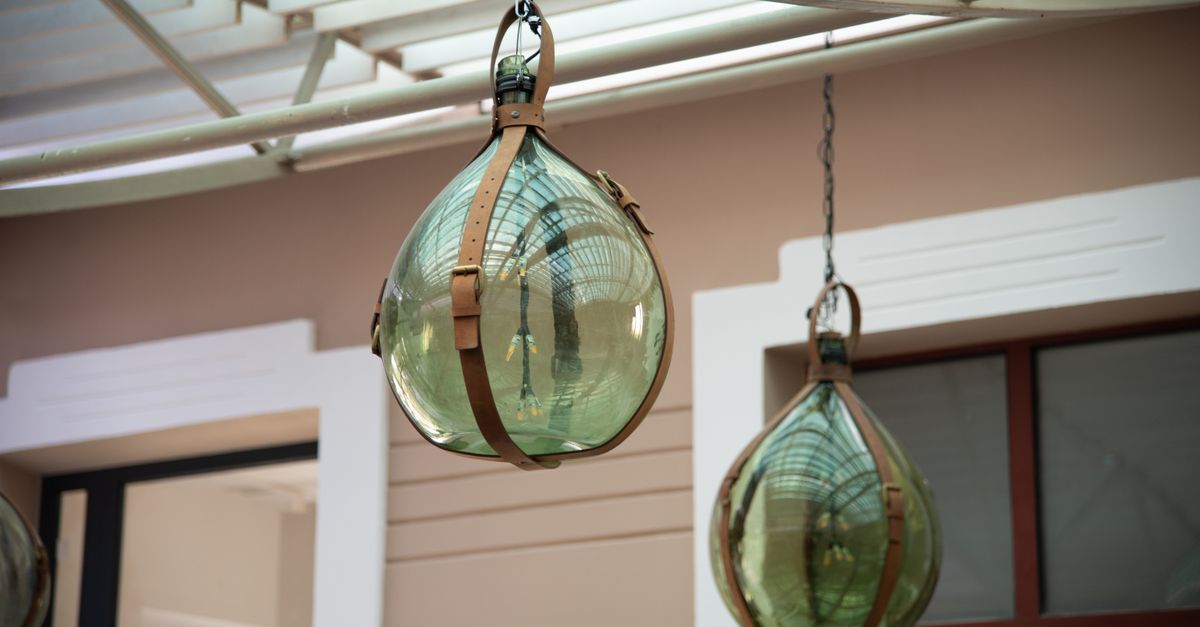
Every serious home brewer knows the quiet satisfaction of watching a demijohn bubble away in a spare room. These robust glass vessels are the workhorses of winemaking, cider pressing and small-batch beer, and choosing the right size, material and neck fitting matters more than many newcomers realise. Finding the best demijohn UK retailers stock in 2026 means navigating a market that ranges from budget-friendly 5-litre starters to hefty 34-litre carboys for ambitious cider makers. This guide compares the current UK market — checking retailer catalogues, manufacturer specifications and the aggregate verdict of homebrew communities — to help you match a vessel to exactly what you brew.
At a Glance: Quick Picks for UK Home Brewers
If you want a fast answer, these options cover the vast majority of home-brewing needs.
| Product | Capacity | Approx. price (2026) | Best for |
|---|---|---|---|
| Do It At Home 5L Glass Demijohn | 5L | around £7–£10 | First batches and one-gallon fruit wines |
| Do It At Home 10L Glass Carboy | 10L | roughly £25–£35 | The all-rounder for regular wine batches |
| Do It At Home 15L Glass Carboy with Nylon Straps | 15L | approximately £20–£28 | Best-value larger batch for cider and beer |
| Generic 25L+ Glass Carboy | 25L+ | typically around £40–£60 | Serious volume for autumn apple pressing |
The Imperial Gallon Angle: Why 5L Is Not Exactly One Gallon
The single most-missed fact on competing pages is the difference between a modern 5-litre vessel and a traditional UK demijohn. A traditional British demijohn holds exactly 1 imperial gallon, which equals 4.546 litres. Modern vessels labelled as “5L” are a metric rounding that gives you approximately 0.45 litres of extra headspace compared to a true imperial gallon jar.
That fraction of a litre matters for recipe scaling. Most UK wine kits and traditional homebrew recipes are written for 1-gallon batches, with ingredient quantities and sugar additions calibrated to 4.546 litres. If you top up a 5L vessel to the neck, you are slightly diluting your must; if you only brew to the 4.546-litre mark, you are leaving wasted headspace in the jar. Neither is a disaster, but understanding the distinction helps you scale recipes accurately and avoid a thin or unbalanced finished wine.
Glass Grade, Thickness and Thermal Safety
Understanding what your demijohn is made of is essential for safe brewing. Most UK demijohns are manufactured from soda-lime glass. This material is perfectly adequate for fermentation — it is impermeable to oxygen, easy to clean and does not harbour odours or stains — but it is not thermally shock-resistant. Borosilicate glass, which withstands rapid temperature changes far better, is rarer and pricier and is not standard for demijohns. You should not assume a jar is borosilicate unless a manufacturer explicitly states it.
The practical safety implication is significant: never pour boiling water directly into a soda-lime glass demijohn to sterilise it. Sudden temperature shifts cause thermal shock, which can crack or shatter the glass, potentially causing serious injury. Instead, use a chemical sanitiser such as VWP or Star San mixed with cool or warm water. This achieves the same sanitary result without any risk to the vessel.
A further consideration is light exposure. Ultraviolet light degrades ferments — it can harm yeast health during active fermentation and, more critically, break down colour compounds and develop off-flavours in finished wine over time. Amber or dark glass offers protection, but most UK demijohns are clear glass. If you brew in clear glass, storing your demijohns in a dark cupboard, a purpose-built fermentation box, or wrapping them in a dark cloth is strongly preferable to leaving them in direct daylight.
How to Choose a Demijohn: Key Components Explained
Glass vs Plastic
Traditional glass demijohns do not scratch easily, clean up to a pristine finish and allow no oxygen through their walls, which means less risk of oxidation and off-flavours in wines that mature for months. The downsides are weight and fragility. PET plastic demijohns, stocked by specialist suppliers such as Hambleton Bard, are lighter, cheaper and far less likely to shatter if dropped. However, every scratch in a plastic vessel is a potential hiding place for bacteria, and plastic can slowly absorb stains and smells over time. For long-maturing wine and bright cider, the consensus among homebrew communities is that glass is the safer long-term bet.
Necks, Bungs and Airlocks
The neck design determines which closure and airlock will fit, so it is worth understanding the options before buying. The standard UK demijohn neck takes a No. 10 rubber bung. This comes in two forms: a bored bung, which has a drilled hole through its centre to accept an airlock stem, and a solid bung, which seals the vessel completely for storage or secondary fermentation without an airlock attached.
There are two dominant airlock types. The S-shaped airlock makes it easier to read the bubble rate during vigorous fermentation, as you can watch each bubble travel through the curve. The 3-piece airlock is easier to clean, as it disassembles completely, reducing the risk of trapped residue. For demijohns with a threaded or screw-cap neck rather than a tapered one, rubber grommets are used to create an airtight seal around the airlock stem.
Swing Tops vs Separate Bungs
Swing-top demijohns are a handy variation on the standard bung-and-airlock setup. A glass stopper clamps down firmly via a wire mechanism, allowing you to seal a batch without hunting for a separate cap. This is particularly useful when you want to temporarily seal a vessel for transport or storage. Screw-cap versions offer similar convenience. Expect to pay slightly more for a swing-top variant — typically around £11–£13 compared to around £7–£10 for a standard 5L glass demijohn.
Handles, Straps and Baskets
A full demijohn is surprisingly heavy. A 25L carboy carries around 35kg of liquid when full, making lifting aids a practical necessity rather than a luxury. Several larger models come with nylon carrying straps that cradle the glass safely during movement. Plastic basket bases are also available, allowing you to set a round-bottomed carboy down on a flat surface without it rolling — a genuine safety benefit on a kitchen worktop.
Shipping Costs on Glass
When budgeting, remember that glass is heavy to ship. For 25L+ carboys, typically priced around £40–£60, shipping often adds a further £8–£15 to the final cost. Multi-buy discounts, commonly available at specialist retailers such as Do It At Home and Hambleton Bard, can help offset this if you are setting up multiple fermentation vessels at once.
Where to Buy Demijohns in the UK
Specialist homebrew retailers carry the widest range of sizes and accessories. Do It At Home is a specialist online retailer with a comprehensive selection across all capacities. Hambleton Bard is another specialist UK supplier, stocking both glass and PET ranges. Youngs, one of the UK’s oldest homebrew brands, is widely stocked across independent retailers and online. For physical retail, The Range stocks basic 5L glass demijohns on the high street. Falcon Enamelware and generic glass carboys are also available via Amazon UK through multi-seller listings.
Note: Wilko closed its UK stores in 2023 and should not be cited as an active retailer for homebrew equipment in 2026.
Product Reviews: The Best Demijohns Available in the UK for 2026
1. Do It At Home 5L Glass Demijohn
Best for: First batches and one-gallon fruit wines.
Key specs: 5-litre capacity, soda-lime glass, standard tapered neck accepting a No. 10 rubber bung, compatible with both S-shaped and 3-piece airlocks.
What’s included: Typically sold as the glass vessel only; bungs, airlocks and basket bases are purchased separately, allowing you to customise your setup.
Standout strength: This is the classic UK starter vessel. At approximately £7–£10, it represents the lowest cost of entry into proper glass fermentation. The 5L capacity closely approximates the traditional 1-imperial-gallon batch size (4.546 litres), making it directly compatible with the majority of UK wine kits and traditional hedgerow recipes. The clear glass allows you to visually monitor fermentation progress and sediment settling.
Caveat: As with all soda-lime glass, it is vulnerable to thermal shock — never pour boiling water in to sanitise. Use VWP or Star San solution instead. The round-bottomed design also means it will roll if placed on a flat surface without a basket base.
Verdict: The benchmark starter demijohn for any UK home brewer beginning their journey with one-gallon wine kits.
Where to buy: Available from Do It At Home, with similar 5L glass demijohns stocked at The Range and via Amazon UK multi-seller listings.
2. Do It At Home 10L Glass Carboy
Best for: The all-rounder for regular wine batches and stepped-up production.
Key specs: 10-litre capacity, soda-lime glass, standard neck compatible with No. 10 bungs, suitable for both bored and solid bung configurations.
What’s included: Glass carboy vessel; closure and airlock hardware required separately.
Standout strength: Doubling your capacity to 10 litres — effectively a two-gallon batch — gives you a meaningful return on the effort of cleaning and sterilising equipment, without the back-breaking weight of a full 25L vessel. At roughly £25–£35, it sits in the mid-range and is ideal for brewers who have outgrown single-gallon batches but do not yet need to process bushels of autumn fruit. It remains manageable to lift when full for a single adult.
Caveat: At this capacity and price point, it does not include carrying straps or a basket base, so you will need to plan how you lift and stabilise it. The weight of 10 litres of liquid plus glass is still substantial.
Verdict: The sweet-spot vessel for the regular home winemaker who wants more output per session without committing to commercial-scale equipment.
Where to buy: Stocked at Do It At Home; comparable 10L carboys may also be found via Amazon UK multi-seller listings.
3. Do It At Home 15L Glass Carboy with Nylon Straps
Best for: Best-value larger batch brewing for cider and beer.
Key specs: 15-litre capacity, soda-lime glass, supplied with nylon carrying straps, standard neck for No. 10 bung compatibility.
What’s included: Glass carboy vessel plus nylon carrying straps; bung and airlock purchased separately.
Standout strength: This model represents exceptional value — at approximately £20–£28, it is notably cheaper than the 10L carboy despite holding 50% more volume, and it includes nylon straps that make lifting and moving a full vessel significantly safer. The 15L capacity is well-suited to beer and cider batches, where a slightly larger volume is practical for sharing and maturation. The inclusion of straps is a genuine safety feature at this scale, as 15 litres of liquid is awkward to grip on a smooth glass surface.
Caveat: The larger capacity means a larger vessel to store and to clean — you will need a suitable brush or an effective soaking regimen to reach all interior surfaces. As with all clear soda-lime glass, it should be kept out of direct UV light during fermentation.
Verdict: The most cost-effective way to step up to larger batches, with the bonus of integrated carrying straps for safer handling.
Where to buy: Available from Do It At Home.
4. Generic 25L+ Glass Carboy
Best for: Serious volume — ideal if you press your own apples each autumn.
Key specs: 25-litre and above capacity, soda-lime glass, typically requires larger bored bungs (check individual listings), designed for high-volume fermentation.
What’s included: Glass vessel only; bungs, airlocks, straps and baskets are typically purchased separately and are essential at this scale.
Standout strength: For cider makers and brewers processing serious volume, a 25L+ carboy is the only vessel that makes the effort worthwhile. At typically around £40–£60, the per-litre cost is competitive, and the capacity allows you to ferment a full press of autumn apples or a substantial beer batch in a single vessel. The impermeability of glass is a major advantage here, as larger batches often mature for longer periods.
Caveat: Shipping is a significant factor — glass weight means delivery often adds £8–£15 to the cost. A full 25L carboy weighs around 35kg in total, making it extremely heavy and difficult to move safely without proper lifting aids or a cradle. Plan your fermentation location carefully, as moving a full vessel of this size is rarely practical.
Verdict: The choice for committed cider makers and high-volume brewers who need capacity above all else — but plan for the weight and the shipping cost before buying.
Where to buy: Available via Amazon UK multi-seller listings and specialist retailers such as Do It At Home; check for multi-buy discounts if purchasing more than one.
5. Hambleton Bard PET Demijohn
Best for: Brewers who prioritise safety, lightness and shatter resistance over long-term glass maturation.
Key specs: PET plastic construction, available in a range of capacities, lightweight, shatterproof, compatible with standard airlocks and bungs (check individual listings for exact neck specifications).
What’s included: Vessel with integrated or fitted closure; airlock may be included depending on the specific product bundle.
Standout strength: PET plastic demijohns from specialist supplier Hambleton Bard offer a genuinely practical alternative to glass. They are significantly lighter, far cheaper to ship, and will not shatter if knocked or dropped — a real advantage in a busy kitchen or if children or pets are nearby. For brewers who move their vessels frequently or who brew in shared spaces, the shatterproof nature of PET is a major quality-of-life improvement.
Caveat: Plastic scratches over time, and every scratch is a potential refuge for bacteria that can spoil a batch. PET can also slowly absorb stains and odours, meaning the vessel’s usable life is shorter than that of glass. For wines that mature for many months, the consensus among experienced homebrewers is that glass remains the safer choice for flavour integrity.
Verdict: The pragmatic choice for safety-conscious brewers, frequent movers and those who value low shipping costs — but glass is still preferable for long maturation.
Where to buy: Available directly from Hambleton Bard and stocked by specialist online homebrew retailers.
Sanitation Chemicals: What to Use and Why
Proper sanitation is the single most important factor in successful home brewing. Two products dominate the UK market.
VWP, sold under the Youngs brand, is the UK’s dominant no-rinse steriliser. It is widely available from all homebrew retailers and works by releasing active oxygen to kill bacteria and wild yeast on contact. It is effective, affordable and specifically formulated for the UK market. To use a demijohn without a brush, a sodium percarbonate soak — which is the active mechanism in VWP — will lift dried residue and sanitise the interior simultaneously.
Star San is a US-origin acid-based sanitiser that is also stocked by UK homebrew specialists. It is a no-rinse product that creates an acidic environment hostile to microbes but safe for yeast once diluted. Some brewers prefer it because it does not require as long a contact time as oxygen-based cleaners, and it leaves no residue that could affect head retention in beer.
Both products achieve the same goal — a sanitary vessel — without the thermal shock risk of boiling water. Choose based on availability and personal preference.
Frequently Asked Questions
What size bung fits a standard UK demijohn?
A No. 10 rubber bung is the standard fit for a traditional UK demijohn neck. This is available in a bored version (with a pre-drilled hole for an airlock stem) or a solid version (for sealing the vessel completely during storage or secondary fermentation). Always check the specific product listing, as non-standard or metric-necked vessels may require a different size.
Can you sterilise a demijohn with boiling water?
No. Most UK demijohns are made from soda-lime glass, which is not thermally shock-resistant. Pouring boiling water into a glass demijohn can cause the glass to crack or shatter suddenly due to thermal shock, creating a serious safety hazard. Use a chemical sanitiser such as VWP or Star San, mixed with cool or warm water according to the manufacturer’s instructions, to achieve a sanitary interior safely.
Is brewing in direct sunlight safe?
No. Ultraviolet light degrades ferments in two ways: it can stress and harm yeast during active fermentation, and it breaks down colour compounds and develops off-flavours in finished wine over time. Most UK demijohns are made from clear glass, which offers no UV protection. Store your fermenting and maturing vessels in a dark cupboard, a purpose-built fermentation box, or wrap them in a dark cloth to shield them from daylight.
How do you clean a demijohn without a brush?
A sodium percarbonate soak is the most effective method. Products such as VWP contain sodium percarbonate, which releases active oxygen in water to lift dried-on residue, fruit pulp and sediment from the glass interior. Fill the demijohn with the solution at the manufacturer’s recommended concentration, leave it to soak for the stated contact time, then rinse thoroughly. This sanitises the vessel at the same time as cleaning it.
What is the difference between a 5L demijohn and a 1-gallon demijohn?
A traditional UK demijohn holds 1 imperial gallon, which equals 4.546 litres. A modern 5L vessel holds approximately 0.45 litres more, creating a small amount of extra headspace. This matters because most UK wine kits and recipes are calibrated for 1-gallon batches, so brewing in a 5L vessel requires a slight adjustment — either accept the minor dilution of topping up to 5L, or brew to the 4.546-litre mark and leave the vessel slightly under-filled.
Does glass or plastic make a better demijohn?
Glass is impermeable to oxygen, does not scratch and does not absorb stains or odours, making it the preferred choice for long-maturing wines and bright ciders. PET plastic, stocked by suppliers such as Hambleton Bard, is lighter, cheaper to ship and shatterproof, but scratches over time can harbour bacteria and plastic can absorb smells. For short-term fermentation and frequent handling, PET is practical; for maturation and longevity, glass is the consensus choice among experienced brewers.
How much does shipping add to the cost of a large glass carboy?
For 25L+ glass carboys, shipping typically adds around £8–£15 to the purchase price, reflecting the weight and fragility of the glass. Some specialist retailers, including Do It At Home and Hambleton Bard, offer multi-buy discounts that can help offset this cost if you are purchasing several vessels at once. Always factor delivery into your budget when comparing prices across retailers.