The Best Homebrew Bottles UK: 2026 Buyer's Guide
Compare the best homebrew bottles for UK brewers, from shatterproof PET to amber glass and swing-top designs, weighing UV protection, sealing and cost.
The Best Homebrew Bottles UK: 2026 Buyer’s Guide
Every homebrewer knows the feeling: you’ve spent weeks perfecting a batch of pale ale or a crisp cider, and now it’s time to get it from the fermenter into bottles. The bottling stage is where your hard work is either preserved or compromised. The right bottle keeps carbonation in, oxygen out, and your brew tasting exactly as you intended. With dozens of options on the market — from classic glass to modern PET — the choice can feel overwhelming.
Affiliate disclosure: This article contains affiliate links. If you purchase through links on this page, we may earn a small commission at no extra cost to you. All product recommendations are based on independent research.
Prices correct as of early 2026. Homebrew consumable prices fluctuate regularly. All prices shown are approximate and should be verified at the linked retailer before purchase.
In this guide, we’ve researched the most popular bottles available through major UK homebrew retailers including Brew2Bottle, The Home Brew Shop, Malt Miller, Crossmyloof Brew, and Amazon UK. We’ll break down the best options for beer, cider, and wine, covering durability, cost, and ease of use. Whether you’re a beginner bottling your first kit or a seasoned brewer looking to upgrade, you’ll find the right fit here.
At a Glance: Top 3 Homebrew Bottle Picks
| Product | Best For | Key Specs |
|---|---|---|
| Coopers PET Bottles 500ml × 24 | Beginners & high-volume batches | Shatterproof PET construction; approximately £0.62 per bottle (around £14.88 per 24-pack at The Home Brew Shop) |
| Amber Swing Top Beer Bottles 500ml × 12 | Hop-forward beers needing UV protection | Gasket-sealed flip top; no capper required; amber glass blocks UV in the 350–500nm range |
| Mangrove Jack’s Amber Flip Top Bottle 750ml × 12 | Premium ciders & special brews | 750ml heavy-duty flip top; suitable for bottle conditioning; well-reviewed for gifting |
Why Bottle Choice Matters for Homebrew
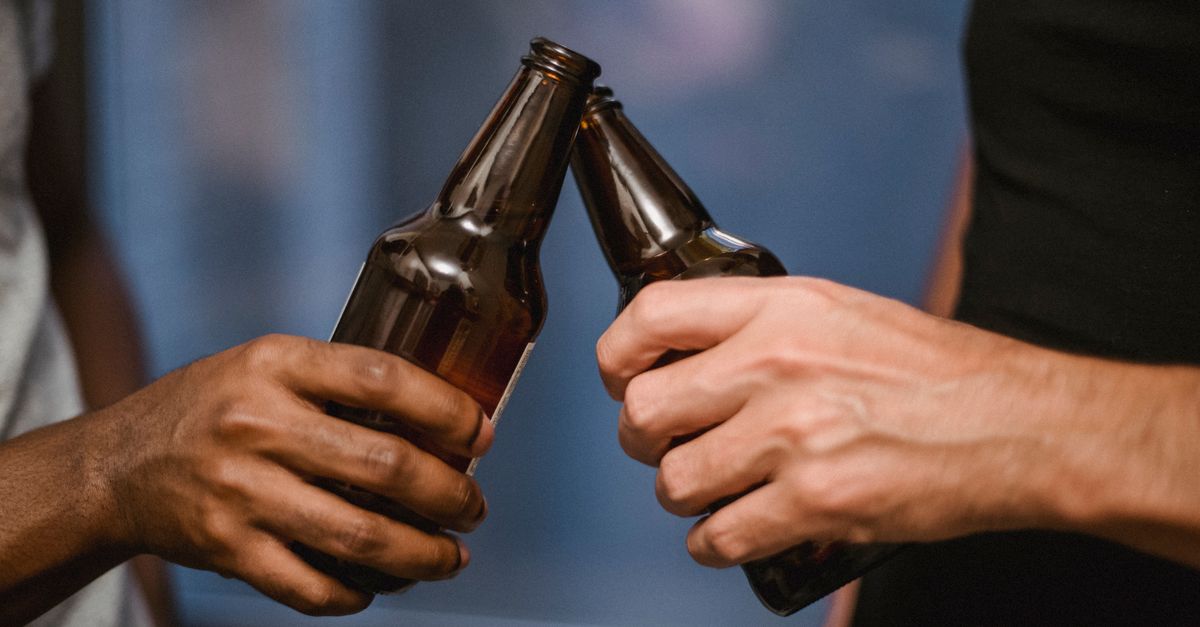
Bottling isn’t just about storage — it’s a critical step in the brewing process. For bottle-conditioned beers and ciders, the yeast needs to carbonate in a sealed environment. If your bottle doesn’t seal properly, you’ll end up with flat brew. If it lets in light, your hops can develop a “skunky” aroma caused by UV light in the 350–500nm range reacting with isomerised hop compounds (iso-alpha acids) to produce 3-methyl-2-butene-1-thiol (MBT) — a well-documented reaction in brewing chemistry literature, including John Palmer’s How to Brew (4th edition). And if the glass is too thin or the bottle is weakened, you risk an explosion from over-carbonation.
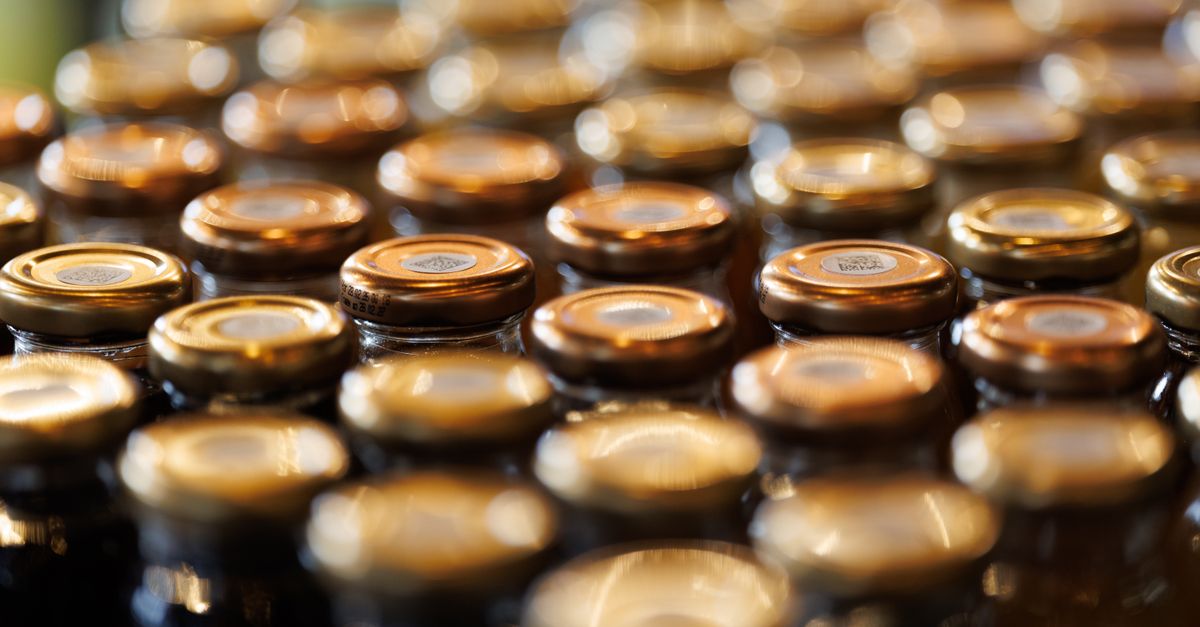
The two main categories are glass and PET (plastic). Glass bottles are traditional, heavy, and excellent at preventing oxygen ingress — but they break. PET bottles are lightweight, shatterproof, and practical for beginners or anyone who bottles in bulk. Within glass, you choose between crown-cap bottles (which require a bottle capper and caps) and swing-top bottles (which have a built-in gasket and wire bail — though gaskets require periodic replacement; see the swing-top section below).
Your choice should factor in: batch size, storage space, budget, and whether you plan to reuse bottles.
A Note on UV Protection for Different Brew Types
Amber glass is most relevant as a UV barrier for hop-forward beers — it blocks the wavelengths that trigger light-strike. For ciders and wines, which contain no iso-alpha acids, light-strike is not the primary concern. For those beverages, the more relevant factor is oxygen ingress prevention, where glass performs better than PET due to its lower oxygen transmission rate (OTR). Clear or green glass offers minimal UV protection and is not recommended for hop-forward beers intended for storage.
Information at a Glance: Glass vs. PET
| Factor | Amber Glass | PET |
|---|---|---|
| Oxygen Transmission Rate | Very low — excellent long-term oxygen barrier | Higher than glass; increases as bottles age and scratch |
| UV Protection | Blocks 350–500nm range (relevant for hop-forward beers) | Minimal; clear PET offers no meaningful UV barrier |
| Pressure Tolerance | High when bottles are in good condition | Suitable for standard bottle conditioning; Coopers specification supports use for carbonated homebrew |
| Reusability | High — many years with correct handling | Limited; community consensus suggests replacing after approximately 5–10 batches |
| Cost Per Bottle | Approximately £0.90–£1.10 (crown cap) | Approximately £0.60–£0.65 (PET, 24-pack) |
| Weight | Heavy | Lightweight |
| Breakage Risk | Yes | No |
Detailed Product Reviews
1. Coopers PET Bottles 500ml × 24
Best for: Beginners, high-volume batches, and portability
The Coopers PET Bottles are one of the most widely stocked entry-level bottling solutions among UK homebrew retailers. Available in a 24-pack of 500ml bottles, they are listed at approximately £14.88 at The Home Brew Shop — roughly £0.62 per bottle. Replacement screw caps are available separately for approximately £1.98 per pack at the same retailer.
These bottles are made from PET plastic, which makes them virtually unbreakable — a practical advantage for high-volume bottling sessions or for taking brew to events. They come with screw-cap lids and are designed to withstand the pressures generated during standard homebrew bottle conditioning. Coopers, as a manufacturer with decades of homebrew product development, produces these bottles specifically for carbonated homebrew use; consult the Coopers product listing at your chosen retailer for the specific pressure specification of the current batch.
The r/homebrewing community on Reddit broadly regards PET bottles as a reliable beginner option, with recurring threads noting their practicality for high-volume batches — though experienced brewers frequently note the importance of replacing bottles once scratching or clouding becomes visible, as surface degradation can harbour bacteria and reduce the oxygen barrier.
Pros:
- Shatterproof PET construction — no broken glass risk
- Lightweight — significantly lighter than an equivalent case of glass
- Reusable — clean, sanitise, and re-cap with replacement caps
- Transparent — allows visual assessment of clarity and carbonation
Cons:
- No UV protection — clear PET offers no barrier against light-strike; store in a dark location or opaque box
- Limited lifespan — PET scratches and degrades with repeated cleaning cycles; community consensus and general homebrew guidance suggest replacing after approximately 5–10 batches, though actual lifespan depends on cleaning method, storage temperature, and UV exposure
- Less suitable for gifting or competition entry
Verdict: For beginners or anyone bottling 40+ pints per batch, the Coopers PET bottles offer the lowest entry cost and highest practicality. Store away from direct light and inspect bottles for scratching or clouding before each use.
2. Amber Swing Top Beer Bottles 500ml × 12
Best for: Hop-forward beers, convenience, and capper-free bottling
Amber glass swing-top bottles (available in 500ml × 12 packs from retailers including The Home Brew Shop, Malt Miller, and Brew2Bottle, typically priced at approximately £18–£22 per 12-pack) are a popular choice for brewers who want the oxygen-barrier and UV-protection benefits of glass without investing in a bottle capper.
The amber colouring blocks UV light in the 350–500nm range, which is the wavelength band responsible for light-strike in hop-forward beers (the photochemical reaction that produces MBT and the associated “skunky” aroma). For ciders and wines, this UV protection is less relevant — the primary benefit of glass for those beverages is its very low oxygen transmission rate, which supports longer shelf life.
The swing-top (Kilner-style) mechanism uses a rubber or silicone gasket compressed by a wire bail. This eliminates the need for a bottle capper and caps — a genuine convenience advantage, particularly for small batches or brewers who bottle infrequently.
Important note on gaskets: Swing-top gaskets are a consumable. Gasket condition directly affects carbonation retention — a worn or cracked gasket is one of the most common causes of flat homebrew. Replacement gasket intervals vary by manufacturer: Kilner, for example, recommends inspecting gaskets before each use and replacing when any cracking, flattening, or discolouration is visible. Replacement gaskets for standard 500ml swing-tops are widely available from UK homebrew retailers for approximately £2–£4 per pack of 12. Factor this into your ongoing cost calculation.
Pros:
- Amber glass blocks UV light in the 350–500nm range — relevant for hop-forward beers
- Very low oxygen transmission rate — suitable for longer-term storage
- No capper required — wire bail mechanism is self-contained
- Reusable for many years with correct handling
Cons:
- Gaskets require periodic inspection and replacement — ongoing cost and a carbonation failure point if neglected
- Heavier and more fragile than PET
- Higher upfront cost per bottle than PET or crown-cap glass
- Capper-free convenience comes with the trade-off of gasket maintenance
Verdict: A strong choice for hop-forward beers where UV protection matters, and for brewers who want to avoid the capper investment. Budget for replacement gaskets and inspect them before every bottling session.
3. Mangrove Jack’s Amber Flip Top Bottle 750ml × 12
Best for: Premium ciders, strong ales, and gifting
The Mangrove Jack’s Amber Flip Top 750ml bottles (available in cases of 12 from Brew2Bottle, The Home Brew Shop, and Malt Miller, typically priced at approximately £28–£34 per 12-pack) are a well-regarded option for brewers producing larger-format bottles — particularly for ciders, Belgian-style ales, or any brew intended for gifting or longer conditioning.
The 750ml format is practical for high-carbonation styles that benefit from more headspace management, and the larger bottle reduces the total number of bottles needed per batch. Mangrove Jack’s is a New Zealand-based homebrew brand with wide UK distribution; their flip-top bottles are manufactured to standard European swing-top specifications, using amber glass and a standard 26mm gasket fitting compatible with widely available replacement gaskets.
The amber glass construction provides the same UV-blocking benefit as other amber glass options — most relevant for hop-forward beers, and providing oxygen-barrier benefits for ciders and wines. As with all swing-top bottles, gasket condition should be checked before use. Mangrove Jack’s does not publish a specific gasket replacement interval in their standard product documentation; follow the general guidance of inspecting before each use and replacing on any sign of degradation.
Pros:
- 750ml format reduces bottle count per batch
- Amber glass — UV protection for hop-forward beers; low OTR for ciders and wines
- Flip-top mechanism — no capper required
- Substantial, premium feel — well-suited for gifting or special batches
- Standard gasket fitting — replacement gaskets widely available in the UK
Cons:
- Higher cost per bottle than PET or standard crown-cap glass
- Gasket maintenance required — same trade-off as all swing-top bottles
- 750ml format less practical for session beers or small batches where variety is preferred
- Heavier than PET; breakage risk during transport
Verdict: The Mangrove Jack’s 750ml flip tops are the best choice for brewers producing ciders, strong ales, or any batch intended for gifting. The larger format and premium construction justify the higher per-bottle cost for special brews.
Head-to-Head: Crown Cap vs. Swing Top vs. PET Screw Cap
| Feature | Crown Cap (Glass) | Swing Top (Glass) | PET Screw Cap |
|---|---|---|---|
| Seal quality | Excellent when capped correctly | Excellent when gasket is new | Good; degrades with bottle age |
| Upfront equipment cost | Capper (approximately £15–£25) + caps (approximately £3–£5/100) | None beyond bottles | None beyond bottles |
| Ongoing consumable cost | Caps (approximately £3–£5/100) | Replacement gaskets (approximately £2–£4/12) | Replacement caps (approximately £1.98/pack) |
| Reusability | Bottles reusable; caps single-use | Bottles and gaskets reusable until worn | Bottles replaceable every 5–10 batches |
| Best for | Long-term storage, competitions | Convenience, hop-forward beers | Beginners, high-volume batches |
Buying Guide: What to Look For
Batch size: A standard 40-pint (23-litre) batch fills approximately 46 × 500ml bottles or 31 × 750ml bottles. Buy at least one full batch worth of bottles before you start, plus a few spares.
Storage conditions: All bottles — glass or PET — should be stored in a cool, dark location during conditioning. Temperature fluctuations accelerate carbonation inconsistency. UV exposure degrades both PET and the flavour compounds in hop-forward beers.
Competition entry: The National Homebrew Competition (run by the Society of Independent Brewers and affiliated bodies) and most UK homebrew club competitions specify brown or green glass bottles for entry. Check the specific competition rules before bottling a competition batch, as PET and swing-top entries are often excluded.
Retailer coverage: The major UK homebrew retailers stocking bottles include The Home Brew Shop, Brew2Bottle, Malt Miller, Crossmyloof Brew, Brew UK, and Hop and Stuff. Prices vary between retailers, and postage costs can significantly affect the total cost per bottle for heavy glass orders — factor in delivery when comparing.
FAQ
Can I reuse homebrew bottles? Yes. Glass bottles — both crown-cap and swing-top — can be reused for many years if cleaned and sanitised correctly after each use. PET bottles can be reused but have a shorter service life; inspect for scratching, clouding, or any persistent odour before reuse, and most homebrew guidance suggests replacing PET bottles after approximately 5–10 batches depending on cleaning method and storage conditions.
How many times can you reuse PET homebrew bottles? There is no single manufacturer-specified figure, as lifespan depends on cleaning method, storage temperature, UV exposure, and physical handling. Community consensus across r/homebrewing and UK homebrew forums generally points to approximately 5–10 batches as a practical replacement interval, with earlier replacement recommended if any visible scratching, clouding, or odour is present.
Do I need a capper for swing-top bottles? No. Swing-top (flip-top) bottles use a wire bail and rubber or silicone gasket that seals without any additional equipment. You do not need a bottle capper or crown caps. However, you will need to replace the gaskets periodically — inspect before each use and replace when any cracking or flattening is visible.
What bottles does Brew2Bottle sell? Brew2Bottle (Brew2Bottle.co.uk) is a UK homebrew retailer stocking a range of glass and PET bottles including amber swing-top bottles, PET screw-cap bottles, and crown-cap glass bottles in 500ml and 750ml formats. Their current stock and pricing should be verified directly on their website, as listings change regularly.
Is amber glass necessary for all homebrew? No. Amber glass is most important for hop-forward beers — the amber colouring blocks UV light in the 350–500nm range that triggers light-strike (the photochemical reaction producing the skunky compound MBT). For ciders and wines, which contain no iso-alpha acids, UV protection is less critical; the primary benefit of glass for those beverages is its low oxygen transmission rate. If storing hop-forward beers in clear or green glass, keep bottles in a completely dark location.
What is the cheapest homebrew bottle option in the UK? Based on current UK retailer listings, PET screw-cap bottles — such as the Coopers 500ml 24-pack at approximately £14.88 (around £0.62 per bottle) at The Home Brew Shop — represent the lowest cost per bottle available from major UK homebrew retailers. Crown-cap amber glass typically costs approximately £0.90–£1.10 per bottle, and swing-top glass approximately £1.50–£2.80 per bottle depending on format and brand.
Schema note (for technical team): Implement Product schema for each reviewed item and FAQ schema for the FAQ section above to support rich result eligibility in Google Search.