Cider Apple Pressing Guide UK: From Tree to Fermenter
Turning apples into juice — when to pick, why to sweat the fruit, milling, pressing, expected yields and the gravity you are aiming for.
Cider Apple Pressing Guide UK: From Tree to Fermenter
Pressing is the one day in cider making that cannot be rushed or rescheduled, because the fruit decides when it happens. Get the sequence right and a wet October Saturday produces a fermenter of good juice; get it wrong and you produce a lot of wet pomace and a small amount of disappointing liquid. This guide is based on desk research: UK supplier documentation, orchard and homebrewing references rather than first-hand testing. Below you will find the order of operations, realistic yields, and the checks that decide quality.
Quick Reference
| Stage | What matters |
|---|---|
| Picking | Ripe, not early. Windfalls are fine; rotten is not |
| Sweating | 1–2 weeks in a heap. Raises yield and sugar |
| Milling | Coarse pulp. A press cannot crush whole apples |
| Pressing | 60–70% of fruit weight as juice |
| Target gravity | Roughly 1.045–1.060 for a typical cider |
Picking: Ripe, Not Early
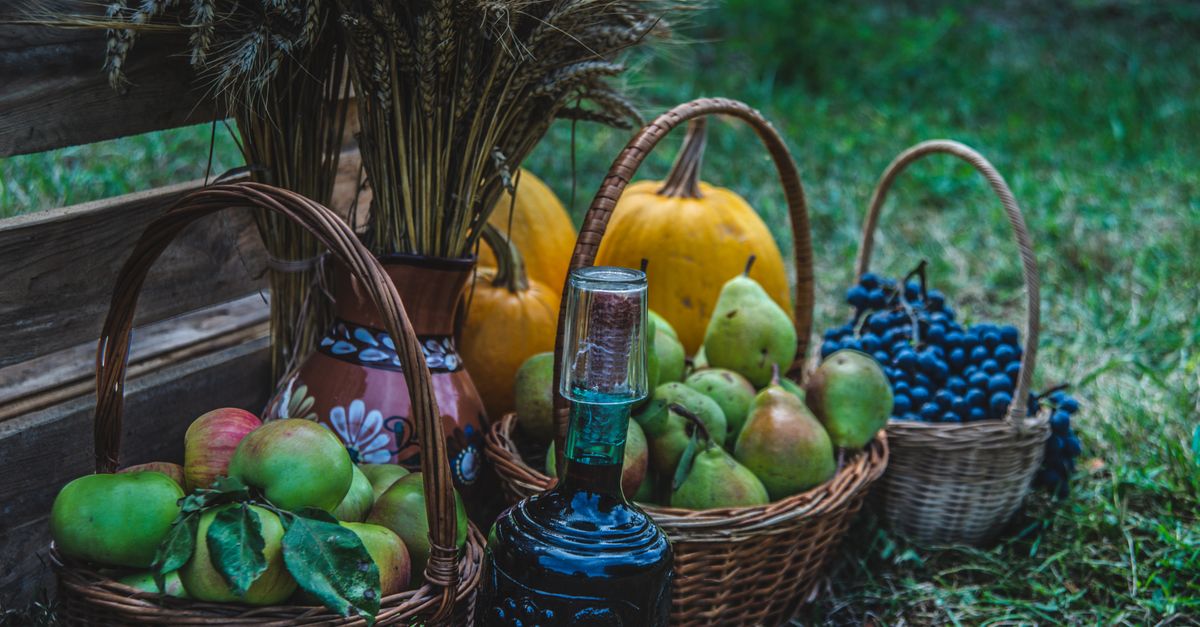
Cider apples are picked later than eaters, and the usual test is simple: shake the branch. Ripe fruit drops. Apples that need pulling are not ready.
Windfalls are perfectly good — traditional cider is largely made from them — but sort as you collect. Bruised is fine, rotten is not. A rot-affected apple can introduce off-flavours and unwanted organisms into the whole batch, and one bad apple genuinely does have an outsized effect in a small pressing.
Take out leaves, twigs and grass. They add tannin in the wrong way and clog the press.
Sweating: The Step People Skip
Leave the fruit in a heap, under cover, for one to two weeks after picking. This is called sweating, and it does two useful things: some water evaporates, concentrating the sugars, and the flesh softens so it mills and presses far more easily.
The yield difference is real. Hard fruit straight off the tree presses badly. A sweated apple gives up its juice.
Watch for rot developing in the heap and pull anything that goes bad. Two weeks is usually the practical limit.
Milling: You Cannot Skip This
A press will not crush whole apples. This is the single most common first-year mistake — whole fruit in a press squirts, jams and yields almost nothing. The apples have to be milled into a coarse pulp first.
Options in rough order of cost:
- Scratter or apple mill, hand-cranked or electric, with a toothed roller. The right tool, and UK suppliers commonly sell scratter-and-press packages.
- Improvised: a sanitised bucket and a stout length of timber. Works for very small quantities and is genuinely hard work beyond that.
Milling quality affects yield more than the press does. Coarse, even pulp presses well; a mix of paste and chunks does not.
Pressing
Load the pulp, apply pressure gradually rather than forcing it, and let the juice run. Rushing produces a channel through the pulp and leaves juice behind.
Expect roughly 60–70% of the fruit weight as juice. So 10kg of apples gives around 6–7 litres, and a 25 litre fermenter needs roughly 35–40kg of fruit — considerably more than most people estimate from looking at a tree.
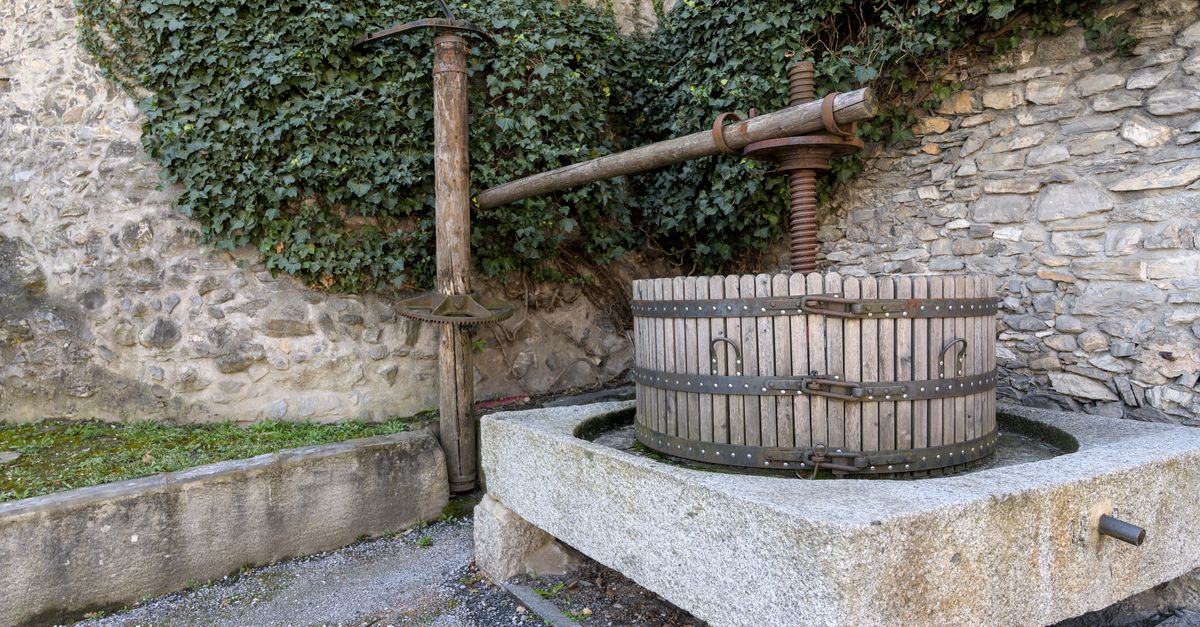
Press types, briefly: a basket press is simple and cheap with moderate extraction; rack-and-cloth layers the pulp in thin cheeses and extracts best but is laborious; a hydropress uses mains water pressure to squeeze from the inside and is fast, gentle and high-yielding.
Cleaning is the real work. Pomace dries like concrete — hose everything immediately.
Blending
Traditional cider apples fall into four groups by sugar, acid and tannin: bittersweet, bittersharp, sweet and sharp. A cider made entirely from one group is usually unbalanced — all bittersweet is flabby, all sharp is thin and aggressive.
If you have a mixed orchard, press everything together and you will usually land somewhere reasonable. If you are buying fruit, a blend with some bittersweet for body and tannin and some sharp for acidity gives a better result than either alone. Dessert apples alone make a pleasant but simple cider — adding even a small proportion of bittersweets changes it markedly.
Straight After Pressing
Take a gravity reading. A hydrometer sample tells you the sugar and therefore the likely alcohol. Most ciders start somewhere around 1.045–1.060. Below that you will get a thin, low-alcohol cider; much above and it will be strong and slow to ferment.
Sulphite, then wait. Campden tablets knock back the wild population that arrived on the fruit. Wait a full 24 hours before pitching yeast — pitching too early kills the yeast you just paid for, and it is a common way to lose a batch.
Add pectic enzyme now rather than later. It breaks down the pectin that otherwise leaves a permanent haze, and it works far better pre-fermentation.
Add yeast nutrient. Apple juice is naturally low in the nitrogen yeast needs — much lower than beer wort — and this single omission causes both stuck fermentations and sulphurous rotten-egg aromas.
Then pitch your yeast and ferment cool, somewhere around 15–18°C.
Planning the Day
- Sanitise everything before the fruit arrives, not during.
- Have more fermenters and more containers than you think.
- Press outside if you can. It is wet, sticky and attracts wasps.
- Do not press more than you can process the same day — juice starts fermenting on its own quickly.
- Wasps are a genuine nuisance around pomace. Keep it covered and take it away promptly, or spread it for wildlife well away from where you are working.
FAQ
How many apples do I need to make cider? Roughly 60–70% of the fruit weight comes out as juice with a decent press, so a 4.5 litre gallon needs around 7kg of apples and a 25 litre batch needs roughly 35–40kg. Most people underestimate this substantially — a single mature tree in a good year rarely fills a 25 litre fermenter on its own.
Do I need to sweat apples before pressing? It is not compulsory but it makes a real difference. One to two weeks in a covered heap concentrates the sugars slightly and softens the flesh so the fruit mills and presses far more easily, which raises yield noticeably. Pull anything that starts to rot while it sits.
Can I press apples without a scratter? Not really — a press cannot crush whole apples, it only squeezes pulp, so whole fruit jams and yields almost nothing. For very small quantities you can improvise by pulping in a sanitised bucket with a stout piece of timber, but it is hard work. Most UK suppliers sell scratter-and-press packages for this reason.
What gravity should cider juice be? Most ciders start somewhere around 1.045 to 1.060, which gives a sensible alcohol level once fermented out. Take a hydrometer reading straight after pressing. Much lower and the cider will be thin; much higher and it will be strong and slower to ferment.