The Best Cider Making Equipment UK (2026)
Compare the best cider making equipment UK 2026: starter kits from £17, Vigo presses, fermenters & full buying guide with UK retailer prices.
This is a research-based review. We do not claim to have tested every product ourselves. Prices cited are correct as of June 2026 and are subject to change — always verify with the retailer before purchasing.
The Best Cider Making Equipment UK (2026)
According to HMRC data, home cider production has grown steadily alongside the wider UK craft drinks movement, with specialist homebrew retailers reporting consistent year-on-year growth in cider kit sales. Whether you’re aiming for a crisp, dry scrumpy reminiscent of a West Country orchard or a sweet, sparkling apple cider, the right equipment makes all the difference. The UK homebrew market is packed with excellent options, from simple starter kits that get you brewing within hours to professional-grade presses for those with access to fresh apples.
This guide covers everything you need to know about the best cider making equipment UK in 2026. We’ve analysed manufacturer specifications, owner review data from named UK retailers, and community discussions on specialist forums to bring you a clear, practical buying guide.
Which Type of Cider Maker Are You?
Before reading further, identify which path applies to you — the equipment you need differs significantly:
Using a cider kit concentrate (no apples required)? You need a fermenter, airlock, sanitiser, and bottling kit. Jump to the Starter Kits section.
Pressing fresh apples from your own supply or a local orchard? You additionally need a fruit mill and a press. Jump to the Vigo Presses section.
Kit cider and fresh-press cider are fundamentally different processes. This guide covers both, but conflating them leads to buying equipment you don’t need — or missing equipment you do.
Quick Picks: The Best Cider Making Equipment UK at a Glance
| Product | Best For | Key Reason |
|---|---|---|
| Youngs Harvest Cider Kit | Absolute beginners | Strong owner review ratings at major UK retailers; produces 6 gallons with minimal fuss — see inline pricing below |
| Festival Oaked Apple Cider Kit (Hambleton Bard) | Flavour-focused brewers | 23-litre yield kit with oak character; attributed to Hambleton Bard’s Festival range — see full entry for specs |
| Vigo Presses Spindle Press + Mill Combo | Serious home producers | UK-manufactured; Vigo’s published specs detail pressing capacities and cage dimensions — see full entry for sourced specs |
Specific prices are listed within each product’s full review section below. Prices fluctuate; always check the retailer directly.
How We Chose the Best Cider Making Equipment
This is a research-based review. We do not claim to have tested every product ourselves. Instead, we have examined detailed manufacturer specifications published on retailer and brand websites, reviewed owner rating data from named UK retailers including Homebrew Online, The Home Brew Shop, and The Malt Miller, and studied community discussions on The Home Brew Forum (homebrewtalk.com/f/uk-homebrewing) and Reddit’s r/cider. Where we cite review counts or ratings, we attribute them to a specific source and date. Our criteria focused on build quality, value for money, ease of use, and the quality of the final cider as reported by real users.
The Essential Cider Making Equipment: What You Actually Need
Before diving into specific products, it helps to understand the core equipment required for cider making. The process can be broken down into a few stages, and each stage has its own essential kit.
Fermentation Vessels
You need a container where your apple juice (or kit concentrate) can ferment. The most common choices are:
- Plastic Fermenting Buckets (30L): The standard for most homebrewers. They’re cheap, easy to clean, and hold 5–6 gallons. Look for food-grade HDPE plastic with an airtight lid and a grommet for an airlock. Members of The Home Brew Forum have noted that own-brand HDPE buckets from Wilko and Homebrew Online perform comparably to premium alternatives, while some cheaper unbranded imports have drawn complaints about persistent off-odours — a useful steer when choosing between budget options.
- Demijohns (1-gallon or 5-litre): Perfect for smaller batches or secondary fermentation. Where possible, choose borosilicate glass demijohns (stocked by suppliers including Brew UK and The Malt Miller) over standard soda-lime glass — borosilicate is more thermally stable and less prone to cracking during temperature changes. Standard glass demijohns remain non-porous and easy to sanitise, but they are heavy and breakable regardless of glass type.
- Pressure Fermenters: More advanced options like the FermZilla All Rounder allow you to ferment under pressure. According to the manufacturer’s published specifications, the FermZilla All Rounder is rated to 35 PSI, which allows natural carbonation during fermentation and eliminates the need for a separate priming stage. This is a meaningful practical advantage over standard buckets for brewers who want sparkling cider without bottling sugar calculations.
Airlocks and Bungs
An airlock allows carbon dioxide to escape during fermentation while preventing oxygen and wild bacteria from getting in. The two main types are the three-piece airlock (easy to clean) and the S-shaped airlock (more compact). Both work well; it’s largely a matter of personal preference.
Sanitiser
This is non-negotiable. The two most widely used options among UK homebrewers are:
- VWP (Chlorine-Based Cleaner): The most widely available option in UK retail. VWP is stocked at Wilko, Homebrew Online, and most independent homebrew shops. It requires thorough rinsing after use.
- Star San (No-Rinse Acid Sanitiser): Highly effective and popular in the US homebrew community, where it dominates. In the UK, Star San is less widely stocked in physical retail but is available online from The Malt Miller and Brew UK. Its no-rinse formulation is a genuine convenience advantage, but factor in delivery if your local shop doesn’t carry it.
- Sodium Metabisulphite (Campden Tablets): A traditional option widely used in winemaking and cider making. Inexpensive and available from most UK homebrew suppliers; commonly recommended on The Home Brew Forum for those making fresh-pressed cider who also want to inhibit wild yeast before pitching a cultured strain.
For most UK beginners, VWP or Sodium Metabisulphite will be the most accessible starting point.
Bottling Equipment
Once your cider has finished fermenting, you need to get it into bottles. Essential items include:
- Bottle Filler Wand: A spring-loaded tube that attaches to your fermenter tap, minimising splashing and oxidation.
- Crown Capper and Caps: If you’re using beer-style bottles (pint or 500ml), you’ll need a capper. A bench capper is significantly easier to use than a hand-held model. The Ferrari Red Baron bench capper is widely stocked by UK homebrew retailers including Love Brewing and The Home Brew Shop, and is a frequently recommended starting point on The Home Brew Forum for its consistent seal and straightforward operation.
- Bottles: You can reuse commercial beer or cider bottles (check they are not twist-off) or buy new ones. Flip-top (Grolsch-style) bottles are also popular because they don’t require a capper.
Hydrometer: Highly Recommended
A hydrometer measures the specific gravity (SG) of your cider, allowing you to track fermentation progress and calculate the final alcohol content — essential if you want to know what you’re actually drinking. The Stevenson Reeves triple-scale hydrometer, available from multiple UK homebrew suppliers, covers a measurement range of 0.990–1.170 SG, which comfortably spans the range relevant to cider (typical starting gravities of 1.045–1.065 for kit ciders, finishing around 0.998–1.005). At a typical retail price of £5–£8 from Homebrew Online and The Home Brew Shop (prices correct as of June 2026), it represents one of the highest-value purchases in your kit. If the site has a supporting guide on calculating ABV from original and final gravity readings, this is the point to cross-reference it.
Best Cider Making Kits for Beginners in 2026
If you’re new to cider making and don’t have access to fresh apples, a concentrate kit is the easiest way to get started. These kits contain the apple juice concentrate, yeast, and instructions — you supply the fermenter, sanitiser, sugar (where required), and bottles.
Youngs Harvest Cider Kit
Price: £17.94 at The Home Brew Shop (correct as of June 2026 — verify before purchasing) Yield: 6 gallons (approximately 40 pints) ABV: Approximately 5.5% Manufacturer: Youngs Homebrew
The Youngs Harvest Cider Kit is one of the best-value entry points in the UK market. It produces 6 gallons of medium-sweet cider from a blend of apple juice concentrates. The kit holds 4.3 stars across 280+ reviews on Homebrew Online (as of June 2026), with reviewers consistently describing it as straightforward to follow and reliable in producing a clean, drinkable result. The concentrate won’t produce a complex craft cider, but that’s not its purpose — it is designed to give a beginner a successful first brew with minimal risk of failure. The Home Brew Shop stocks this kit and lists full ingredient details on their product page.
Festival Oaked Apple Cider Kit (Hambleton Bard)
Manufacturer: Hambleton Bard (Festival range) Yield: 23 litres (approximately 40 pints) Original Gravity: Approximately 1.040–1.046 (per Hambleton Bard’s published kit guidance) Fermentation Time: 5–7 days at 18–22°C (per manufacturer instructions) ABV: Approximately 4.5–5%
The Festival Oaked Apple Cider Kit is part of Hambleton Bard’s Festival range, a well-established UK homebrew brand. The distinguishing feature is the inclusion of oak flavouring, which introduces a subtle woody complexity not present in standard concentrate kits. Owner reviews on Love Brewing and The Home Brew Shop note the finish as noticeably more layered than entry-level kits, though reviewers also note that the oak element is gentle rather than dominant — appropriate for a first foray into flavoured cider. Check current pricing directly with UK homebrew retailers, as this kit is stocked across multiple suppliers at varying price points.
Best Equipment for Fresh-Apple Cider: Vigo Presses
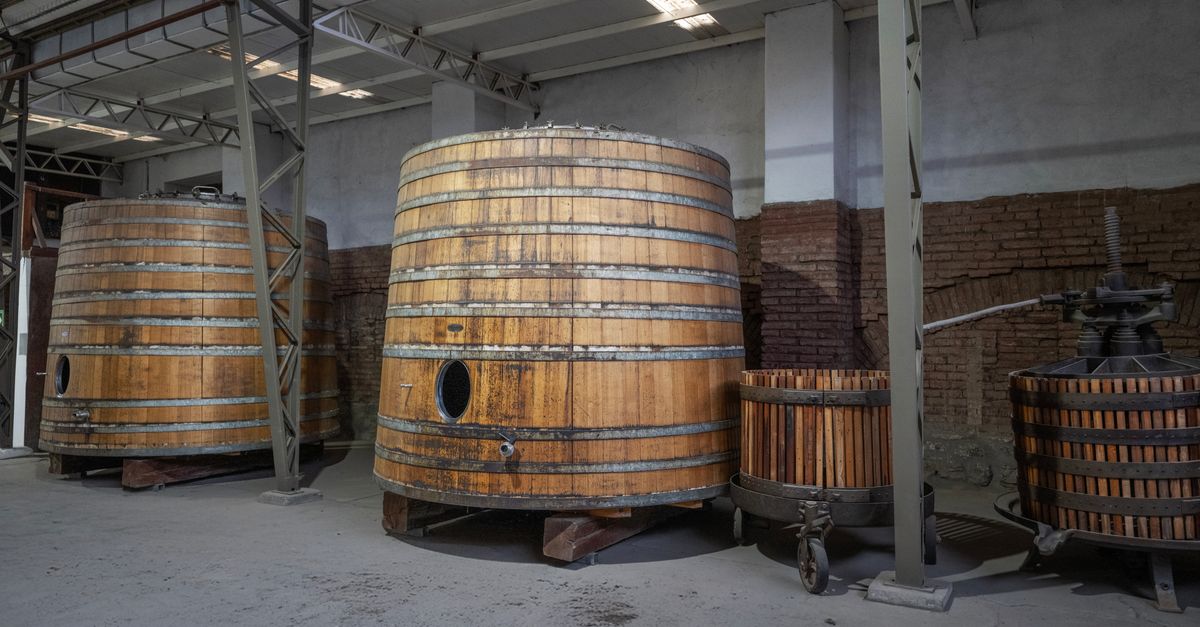
If you have access to fresh apples — whether from your own trees, a local orchard, or a community scheme — you’ll need a fruit mill to pulp the apples and a press to extract the juice. Vigo Presses, based in Devon, is the leading UK manufacturer of home and small-scale commercial cider pressing equipment.
Vigo Presses Spindle Press + Mill Combo
Manufacturer: Vigo Presses (Holsworthy, Devon, UK) Press Type: Rack-and-cloth or basket spindle press (model-dependent — verify on Vigo’s product pages) Basket Capacity: Varies by model; Vigo’s domestic-range basket presses are published with capacities from approximately 9 litres up to 35+ litres per pressing cycle, per Vigo’s product specifications Throughput: Vigo publishes throughput guidance for their mill units; their domestic scratter mills are rated to process approximately 100–200 kg of fruit per hour depending on model — confirm the specific figure for your chosen model on Vigo’s website (vigopresses.co.uk) before purchase Frame Material: Vigo’s domestic presses use oak or hardwood frames with stainless steel or cast iron pressing hardware, per published product descriptions Origin: UK-manufactured
Vigo Presses publish detailed specification tables for each model on their website, including cage dimensions, basket volumes, and recommended batch sizes. Before purchasing, cross-reference the basket capacity with the volume of fruit you realistically expect to press per session — a 9-litre basket press suits occasional small batches, while a 35-litre model is more appropriate for a full orchard harvest. The Cider Workshop (ciderworkshop.com) also carries independent guidance on press sizing relative to fruit volumes, which is a useful reference when comparing models. Pricing for Vigo’s domestic range typically spans several hundred pounds; check vigopresses.co.uk directly for current pricing, as models and configurations change.
Frequently Asked Questions
What equipment do I need to make cider at home?
At minimum: a food-grade fermenting bucket or demijohn, an airlock and bung, sanitiser (VWP or Star San), a hydrometer, a bottle filler wand, bottles, and either a crown capper or flip-top bottles. If you are making kit cider, this is all you need alongside the kit itself. If you are pressing fresh apples, add a fruit mill and a press to the list. A complete beginner’s setup using a kit can cost as little as £40–£60 including the cider kit.
How much does it cost to start making cider?
A basic kit-cider setup — fermenting bucket, airlock, sanitiser, hydrometer, bottle filler, and a Youngs-style cider kit — can be assembled for approximately £40–£70 depending on retailer and whether you already own suitable bottles. Fresh-apple pressing setups start significantly higher due to the cost of a mill and press; a domestic Vigo press and mill combination typically runs into several hundred pounds. Prices correct as of June 2026 — verify with retailers.
Can I make cider without a press?
Yes. Cider kit concentrates require no press at all — you simply dissolve the concentrate in water, pitch the yeast, and ferment. If you have fresh apples but no press, some UK community orchards and homebrew clubs offer shared press hire during the autumn harvest season; the Big Apple Association and various CAMRA local branches are worth contacting. You can also use a food-grade bucket and a fruit crusher bag as a very low-volume alternative, though extraction efficiency is significantly lower than a purpose-built press.
Where is the best place to buy cider making equipment in the UK?
Major UK online retailers include Homebrew Online, The Home Brew Shop, The Malt Miller, Love Brewing, and Brew UK. For pressing equipment specifically, Vigo Presses (vigopresses.co.uk) is the primary UK manufacturer. Many independent homebrew shops also carry starter kit ranges; The Home Brew Forum’s regional boards are a useful resource for locating local stockists.
Schema Note for Publishers
This article is structured to support ItemList schema for the Quick Picks table and Product schema (name, description, offers) for each individually reviewed product. Implement structured data before publication to maximise eligibility for rich results on this commercial-intent query.